

UPC: 4988005636027
Format: CD
Release Date: Dec 07, 2010
Regular price
$25.95 USD
Regular price
Sale price
$25.95 USD
Unit price
per
Couldn't load pickup availability
FREE SHIPPING
This item is currently out of stock and may be on backorder.
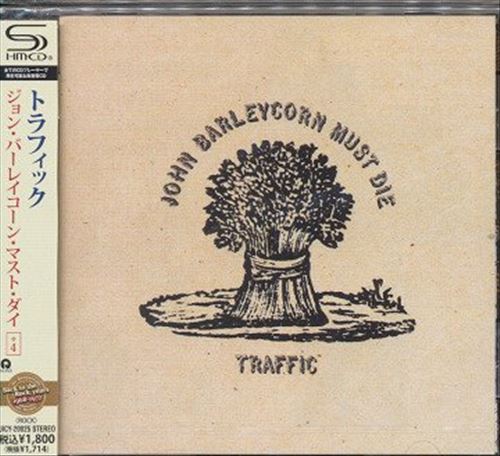
Although JOHN BARLEYCORN MUST DIE was originally intended as Steve Winwood's post-Blind Faith solo debut, Winwood and producer/label head Chris Blackwell first drafted Jim Capaldi to provide lyrics, and then Chris Wood dropped by to add his familiar reeds, and almost by accident, Traffic was reborn.
This was a different, and better, Traffic than the ill-fated quartet lineup with Dave Mason, which never entirely settled on an artistic direction. The sound of JOHN BARLEYCORN MUST DIE, on the other hand, remained the template for the rest of the reunited band's career--long, organically developed songs with a subtle jazz-rock feel, powered by Capaldi's percussion and Winwood's organ. "John Barleycorn," a traditional English folk song about the process of brewing ale (not, as the liner notes mistakenly claim, a call for temperance), here becomes a pastoral reverie carried along by flute and acoustic guitar, and proves to be the record's highlight. However, the quality of the other songs, particularly the instrumental opener, "Glad," and the outstanding ballad "Empty Pages," is nearly as high.
This was a different, and better, Traffic than the ill-fated quartet lineup with Dave Mason, which never entirely settled on an artistic direction. The sound of JOHN BARLEYCORN MUST DIE, on the other hand, remained the template for the rest of the reunited band's career--long, organically developed songs with a subtle jazz-rock feel, powered by Capaldi's percussion and Winwood's organ. "John Barleycorn," a traditional English folk song about the process of brewing ale (not, as the liner notes mistakenly claim, a call for temperance), here becomes a pastoral reverie carried along by flute and acoustic guitar, and proves to be the record's highlight. However, the quality of the other songs, particularly the instrumental opener, "Glad," and the outstanding ballad "Empty Pages," is nearly as high.